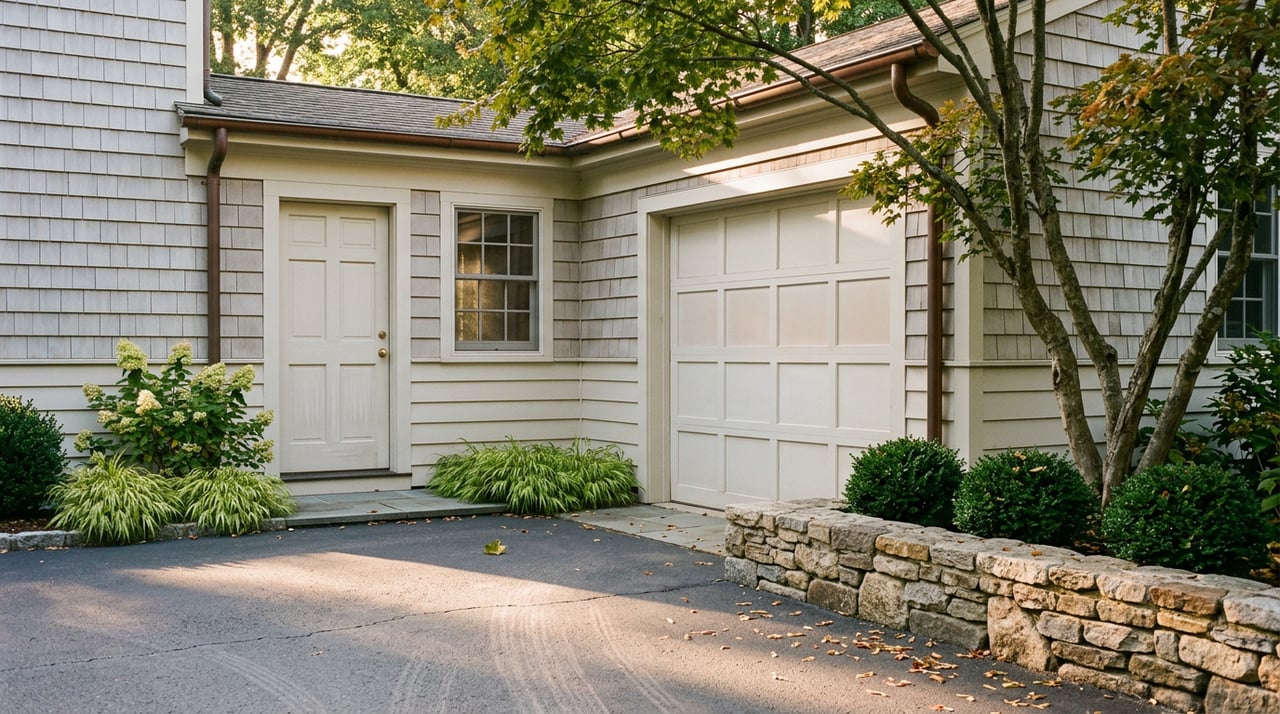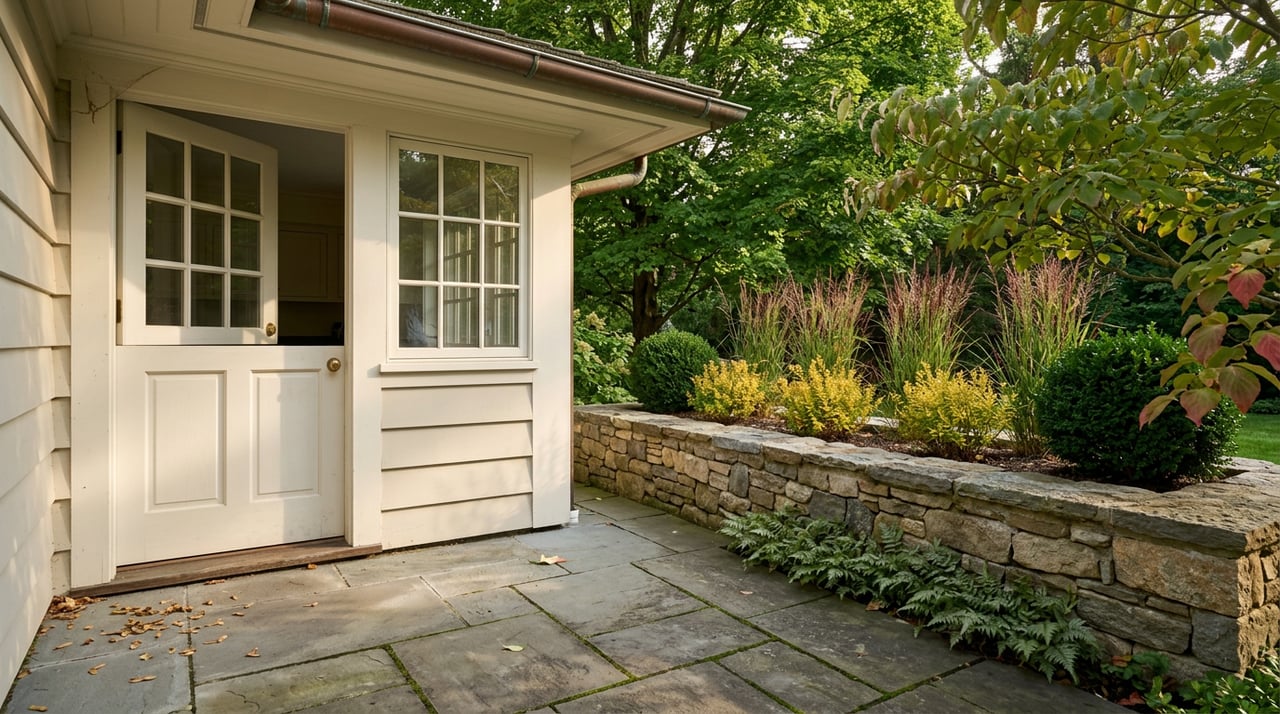
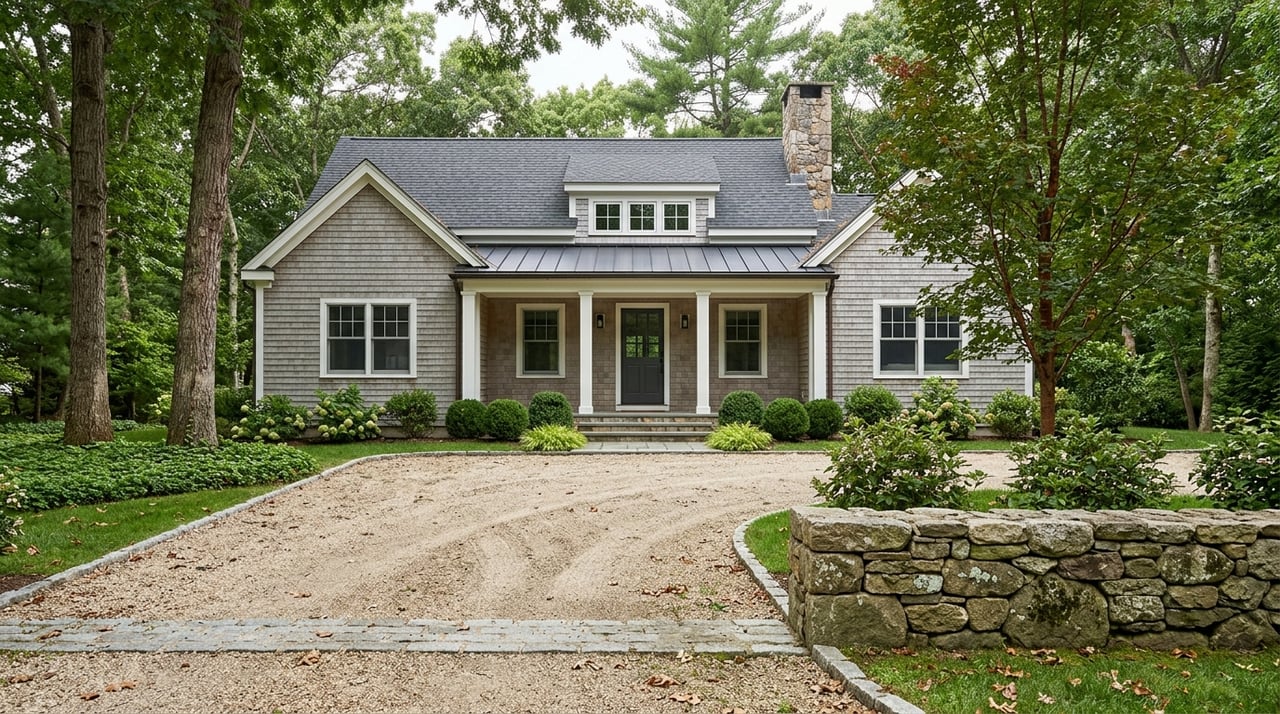
Dreaming about more land, more privacy, and a quieter daily rhythm? Buying a country home in Weston can offer exactly that, but it also comes with practical details that are easy to miss if you are used to a denser suburb or city setting. If you are considering a move, understanding how Weston properties work day to day can help you buy with more confidence and fewer surprises. Let’s dive in.
Why Weston Feels Different
Weston has a distinctly rural-residential character that sets it apart from many Fairfield County towns. The town describes itself as a community with two-acre property zoning, minimal commercial development, and abundant open space, which helps explain why so many buyers are drawn to its quiet, wooded setting.
That atmosphere is not accidental. According to the town’s Weston at a Glance overview, commercial activity is limited, and the Town Center is the main hub for everyday services like a market, bank, post office, restaurant, gas station, and other basics. If you are moving from a place where errands are around every corner, this is an important lifestyle shift to understand upfront.
Weston is also a relatively small community. The U.S. Census estimates the population at 10,490 as of July 1, 2024, which supports its low-density feel and owner-focused housing market.
Large Lots Shape the Buying Process
One of the first things to know about buying a country home in Weston is that land matters just as much as the house itself. The town plan states that land outside the small commercial core is zoned for residential and agricultural uses with a minimum lot size of 2 acres. That large-lot pattern creates privacy and space, but it also means every parcel deserves a closer look.
When you tour a home, it is smart to think beyond the kitchen and primary suite. You also want to understand the lot lines, driveway placement, slope, drainage patterns, and whether there are any limitations on future additions or outdoor improvements. A beautiful property can come with constraints that affect how you use it.
The town’s land use and planning materials and Town Clerk records access can help verify easements, lot details, and older deed documents. For buyers, this kind of review is often an important part of due diligence before closing.
Check Easements and Access Early
Country properties sometimes include long driveways, irregular lot shapes, or shared access arrangements. That is why reviewing maps and land records early can save time and stress later in the process.
You will want to confirm things like:
- Property boundaries
- Recorded easements
- Driveway access rights
- Past lot changes or restrictions
- Any older deed language that could affect use
Wetlands Can Affect Future Plans
In Weston, wetlands and watercourses are a major part of the land-use framework. The town’s conservation rules are designed to protect water quality, groundwater recharge, flood control, and habitat, which means some parcels may have regulated areas that affect what you can build or change.
This does not mean a property is not worth buying. It simply means you should understand the site before you commit, especially if you are already thinking about adding a pool, expanding the house, regrading the yard, or doing major landscaping.
The town’s Conservation Planner resources and Conservation Commission information can help you understand whether wetlands or watercourses may be involved. In a wooded town like Weston, this is a standard part of careful home buying.
Ask the Right Land Questions
Before you close, consider asking:
- Does the lot include wetlands or watercourses?
- Are there buffer areas that limit future improvements?
- Would tree work, grading, drainage changes, or a new accessory structure need review?
- Has prior work on the property already been approved and documented?
Well and Septic Are Core Due Diligence Items
Unlike towns with broad public utility service, Weston is effectively a well-and-septic market. The town’s permit information lists permits for new wells and septic systems through the Westport-Weston Health District, and the town’s planning materials note that nearly all Weston residents rely on wells.
For you as a buyer, this is one of the biggest differences between a country home and a more conventional suburban property. Well testing and septic inspections are not optional extras. They are central to understanding the condition, function, and likely future costs of the home.
The town plan also notes that even the Town Center area lacks public water and sewer service. That helps explain why private systems are such a normal part of homeownership in Weston.
What to Review on Well and Septic
A smart buyer usually wants to know:
- Whether the home is served by a private well and private septic system
- The age of the septic system
- The date of the most recent inspection or service
- Any available permits for installation or replacement
- Whether water testing has been completed recently
- Whether future replacement costs should be part of your long-term budget
Drainage and Outdoor Upkeep Matter More Here
A country home often gives you more space and a stronger connection to the landscape. It also gives you more responsibility. In Weston, drainage, runoff, tree maintenance, and grading can have a bigger impact than they might on a smaller suburban lot.
The town’s conservation guidance and stormwater information make clear that runoff from roads, lawns, and storm drains reaches local waterways. On a heavily wooded parcel, that means the way water moves across your property matters, especially during heavy rain, snowmelt, or seasonal storms.
When evaluating a home, pay attention to signs of standing water, erosion, steep driveway sections, and how the yard appears to drain away from the house. These details can affect both maintenance costs and everyday enjoyment.
Private Roads Require Extra Planning
Some country properties offer extra privacy because they sit on private roads or more secluded approaches. That can be appealing, but it comes with practical responsibilities.
Weston’s emergency guidance notes that if your home is on a private road, residents may need to arrange their own clearing of downed trees or debris because the town is not responsible for the road. If you are comparing homes, this is worth understanding before you fall in love with a secluded setting.
Questions to Ask About Road Access
If a property is on a private or semi-private road, ask about:
- Road maintenance responsibilities
- Snow and storm cleanup arrangements
- Shared costs with neighbors, if any
- Access for deliveries and service providers
- Driveway slope and winter usability
Commute Planning Should Happen Early
Many Weston buyers are balancing country living with a regional or New York City commute. Census data show a mean travel time to work of 46.6 minutes, so commute strategy should be part of your search from the beginning.
Nearby Metro-North options include stations in Westport, Wilton, Branchville, Cannondale, and South Norwalk. The Metro-North station directory is a helpful starting point if you want to compare routes, and Weston’s permit information also notes railroad parking permits handled through Westport Police.
If you expect to commute several times a week, it helps to test the drive from a prospective home to your preferred station during real traffic conditions. In a town with larger lots and winding roads, a few extra minutes can make a meaningful difference in your routine.
Daily Errands Work Differently in Weston
Country living often changes the small routines of daily life. Weston’s limited commercial footprint is part of its appeal, but it also means errands may take more planning than they would in a denser suburb.
For example, the town’s Transfer Station at 237 Godfrey Road East is open Tuesday through Saturday from 8:00 a.m. to 2:30 p.m., and the town lists $4 solid-waste bag pricing. For many homeowners, trash, recycling, and bulky item disposal are simply part of normal household logistics.
This may seem minor compared with financing or inspections, but it is part of understanding how the town functions. The more closely your expectations match the day-to-day reality, the better your move will feel after closing.
What the Market Suggests About Buyer Expectations
Weston is an owner-focused housing market. Census figures show that 96.9% of housing units are owner-occupied, with a median owner-occupied home value of $996,700 and median monthly owner costs above $4,000 with a mortgage.
Those numbers point to a market where buyers are often prioritizing land, privacy, and long-term livability. In other words, purchasing here is usually about more than square footage alone. It is about the full experience of the property and the setting.
A Smart Weston Buyer Checklist
If you are serious about buying a country home in Weston, keep this checklist handy:
- Review lot lines, easements, and land records
- Confirm whether wetlands or watercourses affect the parcel
- Inspect and test the well
- Inspect the septic system and review age and permits
- Evaluate drainage, grading, and driveway conditions
- Ask whether the home is on a private road
- Map the real commute to your likely train station or workplace
- Understand local trash, recycling, and household logistics
- Budget for outdoor maintenance that comes with a larger lot
A country property can be incredibly rewarding, but the best purchases happen when you look at both the home and the land with equal care.
If you are weighing a move to Weston, working with someone who understands the local rhythm, property patterns, and buying process can make all the difference. Marlee Book offers hands-on, personalized guidance to help you evaluate homes carefully and move forward with clarity.
FAQs
What should you know about wells and septic systems in Weston homes?
- Most Weston homes rely on private wells and septic systems, so water testing, septic inspection, permit review, and replacement budgeting are important parts of your due diligence.
How do wetlands affect buying a country home in Weston?
- Wetlands or watercourses may limit future changes to the property, including additions, grading, landscaping, drainage work, or accessory structures, so it is important to review the lot carefully before closing.
What is daily life like in Weston compared with a denser suburb?
- Weston has limited commercial development and a rural-residential feel, so errands, commuting, trash disposal, and property upkeep usually require more planning than in a denser town.
What should you ask if a Weston home is on a private road?
- You should ask who handles road maintenance, snow removal, storm debris clearing, shared costs, and winter access, since the town may not be responsible for clearing a private road.
How should you plan a commute from Weston?
- You should identify your most likely Metro-North station or work route early, test drive times from homes you are considering, and confirm any station parking requirements as part of your search.