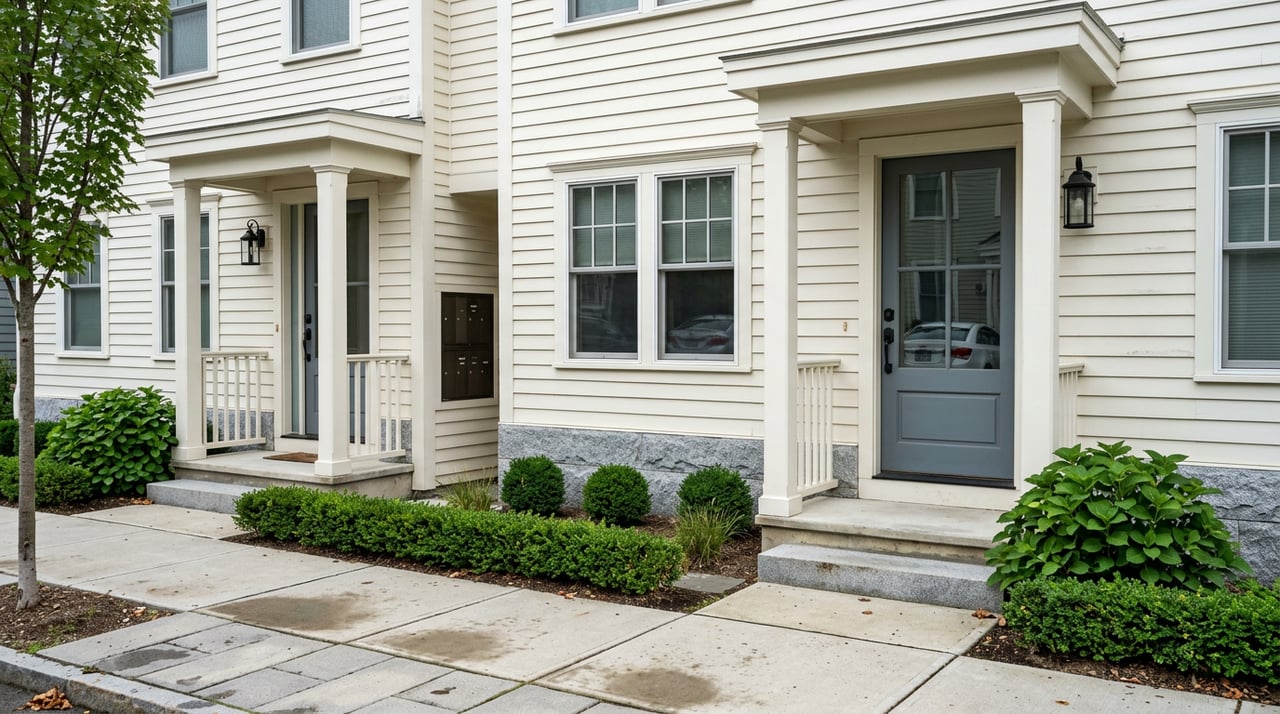
Eyeing a Norwalk condo or townhome for your first home? You are not alone. Many buyers love the mix of coastal character, rail access, and comparatively lower entry prices than single-family homes. This guide breaks down prices, HOA fees, key Connecticut rules, flood and insurance basics, commute tips, and a simple way to compare buildings so you can move forward with confidence. Let’s dive in.
What first-time buyers can expect now
Recent market snapshots show Norwalk condos commonly listed in the mid to high $300Ks, with a median around $395,000 as of early 2026. By comparison, the citywide median sale price across all home types was reported near $712,000 in January 2026. This gap helps explain why condos and townhomes are a popular first step into the market.
Inventory is tighter for condos than for single-family homes, and well-priced units still draw attention. Typical days on market for Norwalk condos often fall in the 40 to 60 day range. Different data sources will vary, so use ranges and date any figures you pull.
Build your monthly budget
Use this quick framework to estimate your total monthly housing cost:
- Mortgage payment: Ask your lender for a quote at your target price point and today’s rate. A common starter search range is $375,000 to $425,000.
- HOA fee: Plan for roughly $150 to $600+ per month depending on the building’s amenities and size.
- Property taxes: Check the City of Norwalk’s current mill rates and apply them to the property’s assessed value. See the city’s published mill rates table for the current year in the official document for FY 2025–26 at the city’s website. Use the city’s current rates listed in the Norwalk mill rates table.
- Insurance: Budget for a condo owner’s HO-6 policy. If the unit or its parking/storage lies in a mapped flood zone, add a flood policy.
- Utilities: Water, sewer, and heat may or may not be included. Check the listing and the HOA’s inclusions.
Where to look: buildings and lifestyle tradeoffs
South Norwalk (SoNo)
You will find mid-rise and converted buildings near dining, shops, and the South Norwalk station. Walkability and transit access are strengths here, which many first-time buyers value.
Rowayton and coastal pockets
Low-rise townhomes and small associations near the water offer a coastal lifestyle and beach access in some communities. Expect a higher price per square foot and be mindful of flood and insurance considerations if the property sits near the shoreline or low elevations.
West Norwalk, Cranbury, Silvermine
Garden-style condos and townhouse complexes are common in these quieter, more suburban areas. Units can be larger, parking is often simpler, and streets feel calmer. These pockets appeal to buyers who want more space and a neighborhood feel.
HOA fees 101: what to expect and how to compare
Monthly homeowners association (HOA) fees in Norwalk vary widely, often from about $150 on the low end to $600+ for larger or amenity-rich communities. Waterfront buildings or those with extensive amenities will tend to run higher. Always check the listing and the association documents for the specifics.
What HOA fees typically cover
- Exterior maintenance and landscaping
- Common area utilities, lighting, and often water or sewer
- Snow removal and trash
- Master building insurance
- Amenity upkeep like pools, fitness rooms, and clubhouses
- Contributions to capital reserves
Listings usually spell out inclusions. For a sense of how HOAs describe coverage and parking details, browse the inclusions section of a sample Norwalk condo listing that outlines typical line items and parking notes. One example shows common coverage such as water, sewer, trash, snow removal, and master insurance, plus whether parking is assigned or deeded. You can see how these are listed in a typical Norwalk condo description, such as the inclusions and parking notes highlighted on a representative building’s unit page on Zillow.
Compare HOAs like a pro
Create a quick worksheet for any condo you are considering:
- Monthly fee amount
- What the fee includes (utilities, services, amenities)
- Reserve balance and presence of a recent reserve study
- History of special assessments in the past 5 to 10 years
- Parking type and number of spaces (deeded, assigned, first-come)
- Rental policy and current owner-occupancy level
- Pet rules and any size or breed limits
- Any pending litigation
Know your Connecticut buyer protections
Connecticut’s condo resale certificate at a glance
Under Conn. Gen. Stat. §47-270, before transfer of possession, the seller must furnish the buyer with the declaration, bylaws, rules, and a resale certificate that discloses key association details. The association must provide this certificate and required documents not later than 10 business days after receiving a written request and payment. The statute sets a preparation fee that is currently referenced at $185, plus small per-page or electronic fees, with an optional expedited fee. After delivery, the purchaser has a short rescission window. The contract is voidable for five business days, excluding weekends and holidays, under the statute’s delivery rules. Review the statute’s language here: Conn. Gen. Stat. §47-270.
What to read first in the packet
- Current operating budget and recent financials. Check if income covers expenses.
- Reserve study and reserve balance. Low reserves plus big upcoming projects can mean future assessments.
- Board meeting minutes for the past 12 to 24 months. Look for repeated maintenance issues, vendor disputes, or rule changes.
- Litigation disclosures and any history of foreclosures in the community.
- Special assessment history and any announced capital projects. The legislature’s consumer materials summarize how special assessments work in practice. For background, see the Office of Legislative Research’s discussion of assessment issues in Connecticut here.
Red flags to pause on
- Frequent or large special assessments
- Reserves that fall well below the reserve study’s recommendation
- High owner delinquency rates
- Active litigation tied to major building systems or structure
- Very low owner-occupancy with high investor concentration
Ask your agent to request clarifications in writing before you remove HOA or financing contingencies.
Parking and commuting realities
Parking at home
Norwalk associations use many setups: assigned outdoor spaces, deeded garage spots, tandem configurations, or first-come lots. Confirm in writing whether your space is deeded to the unit or just assigned, how many spaces you get, and whether guest parking is available.
Trains to NYC
On the Metro-North New Haven Line, door-to-door timing varies by building and train. From South Norwalk, express options often place the station-to-station time in roughly the 50 to 65 minute range, while Rowayton and other local stops can take about 60 to 75 minutes. For an overview, see the MTA’s South Norwalk guide on MTA Away. Do a test commute at your usual departure time to model your daily rhythm.
Station parking
South Norwalk and East Norwalk station parking is in high demand. Expect permit waitlists and variable daily garage costs. If a predictable train routine matters to you, check the latest permit rules and timing and plan an interim strategy using daily parking.
Driving
Norwalk sits on I-95 with access to the Merritt Parkway and Route 7. Traffic varies widely by time of day. When you tour, try your drive during peak hours to gauge real-world timing.
Flood risk and insurance basics
Check flood status before you offer
Waterfront and harbor-adjacent areas of Norwalk include FEMA-mapped flood zones. If a unit, storage, or parking lies in a Special Flood Hazard Area, lenders that are federally backed will require flood insurance. Before you write an offer, use the city’s resources to look up the property’s flood designation. Start with the City’s overview page on Norwalk’s flood hazard zones.
Budget for the right policies
- Master policy vs HO-6: Your HOA’s master policy covers the building to a defined point. You will need an HO-6 condo policy for interior improvements, personal property, and loss assessment coverage for large association deductibles. The association must summarize its insurance in the resale certificate under Connecticut law.
- Flood insurance: Publicly available averages show NFIP premiums for high-risk properties in Connecticut can run in the low-thousands per year. A commonly cited statewide average is about $1,600 to $1,700 annually, though your price depends on the property’s specific risk. See a statewide overview for context at Better Flood. Always get a quote tied to the exact address.
Financing for condos: what to check early
FHA and VA project eligibility
If you plan to use FHA or VA financing, confirm the project’s approval status early. FHA uses project review frameworks that lenders rely on for eligibility, and VA has project-level requirements for owner-occupancy, delinquencies, and single-entity ownership. See FHA’s regulatory framework at 24 CFR 203.8 and ask your lender to verify the building’s status.
Why lenders scrutinize condos
Lenders look at reserves, delinquency rates, litigation, insurance coverage, and rental concentration because these factors affect collateral stability and loan program eligibility. Industry guidance explains how these checks protect both the buyer and the lender. For background, review an overview of condo lending risk factors from an industry resource like Mortgage Processor.
Resale potential: how to think ahead
When you compare buildings and neighborhoods, look at:
- Price per square foot and one-year price change
- Days on market for similar units
- HOA dues as a percent of your total monthly cost
- Reserve strength and dollars per unit
- Owner-occupancy percentage
- History and size of special assessments
Neighborhood context matters too. SoNo’s walkability and station access often draw strong demand from commuters. Coastal areas like Rowayton carry a lifestyle premium and flood considerations. Suburban pockets such as West Norwalk, Cranbury, and Silvermine appeal to buyers who prioritize space and parking.
First-time buyer checklist for Norwalk condos and townhomes
Use this plain-English list as you tour and compare options:
- Run your monthly budget: mortgage quote, HOA fee, property taxes using the current Norwalk mill rates, HO-6 policy, flood policy if needed, and utilities.
- Request the resale certificate and governing documents promptly. Connecticut law gives the association 10 business days to deliver after request and payment.
- Read the HOA financials: current budget, recent financial statements, reserve study, and reserve balance.
- Ask for at least the last 12 months of board meeting minutes. Scan for repeat maintenance issues, vendor disputes, or rules under discussion.
- Confirm parking in writing: number of spaces, deeded vs assigned, tandem conditions, and guest parking.
- Review rental policies, owner-occupancy data, and pet rules.
- Check for flood risk and get a flood quote early using the city’s flood hazard resources.
- Do a door-to-door test commute during your typical travel time. Use MTA Away’s South Norwalk guide for an overview, then time your exact route.
- If using FHA or VA, have your lender verify the project’s approval status before you fall in love with a unit.
Buying your first home should feel exciting and manageable. With clear numbers, the right documents, and a local plan, you can choose a Norwalk condo or townhome that fits your budget and your life. If you want a patient, step-by-step partner who knows the local buildings and the process, reach out to Marlee Book. Let’s find the right place together.
FAQs
What are typical condo prices for first-time buyers in Norwalk?
- Recent snapshots place the median Norwalk condo listing price around the mid to high $300Ks, about $395,000 as of early 2026, with variation by building, size, and location.
How long do Norwalk condos usually stay on the market?
- Many condos spend 40 to 60 days on market, though well-priced units in popular areas can go faster, especially near transit and amenities.
What do HOA fees usually include in Norwalk condo communities?
- Expect exterior maintenance and landscaping, common-area utilities, snow removal, trash, master building insurance, and amenity upkeep, plus contributions to reserves; always confirm the exact inclusions in the resale packet.
How does Connecticut’s resale certificate protect me as a condo buyer?
- The association must deliver the resale certificate and key documents within 10 business days of request and payment, you get five business days to rescind after delivery, and the statute caps the preparation fee that is currently referenced at $185, which helps you review financials, rules, reserves, and any litigation before you commit.
Do I need flood insurance if my Norwalk condo is near the water?
- If the unit, storage, or parking is in a Special Flood Hazard Area, lenders will require flood insurance; check the address on the city’s flood resource page and budget for a policy that can run in the low-thousands annually depending on risk.
Can I use FHA or VA financing to buy a Norwalk condo or townhome?
- Yes, if the project meets FHA or VA eligibility requirements; have your lender check the building’s approval status early since items like reserves, delinquencies, owner-occupancy, and litigation can affect eligibility.