If you are getting ready to sell in Weston, staging is about more than straightening pillows and clearing countertops. Buyers are often judging the whole experience of the property, from the driveway approach to the wooded setting to how each room reads online before they ever book a showing. With the right preparation, you can help buyers picture both daily life inside the home and the value of the land around it. Let’s dive in.
Why staging matters in Weston
Weston has a distinct identity within Fairfield County. According to the Town of Weston, it is known for large-lot zoning, limited commercial development, and a rural setting with abundant open space.
That matters when you sell. In a market where privacy, natural surroundings, and lot size can shape first impressions, your home needs to feel well cared for, easy to understand, and visually compelling both in person and online.
There is also strong data behind staging itself. The National Association of Realtors 2025 Profile of Home Staging found that 83% of buyers’ agents said staging makes it easier for buyers to visualize a future home, while 60% said it affected some buyers and 26% said it affected most buyers.
Start with the setting
In Weston, the land is often part of the story. Buyers may be evaluating the sense of arrival, the privacy of the lot, and how outdoor areas connect to the home.
That means your exterior should not feel like an afterthought. It should feel like the opening chapter of the listing.
Improve the approach
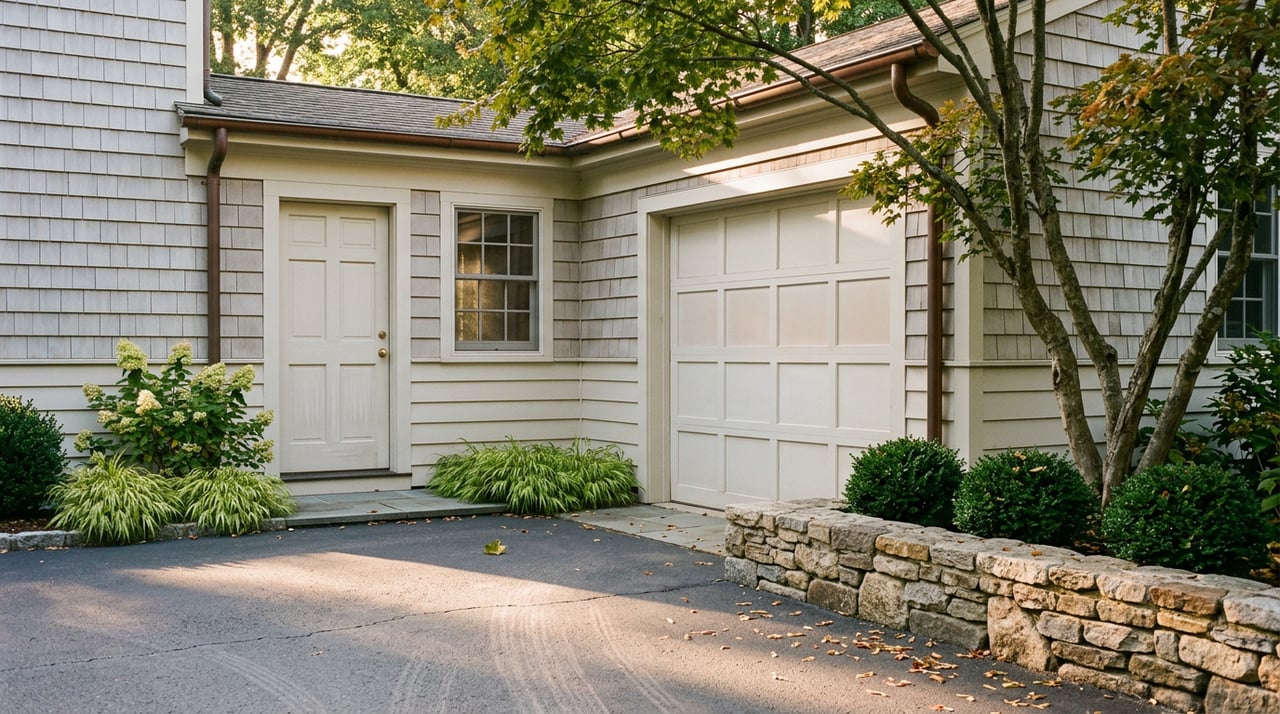
The driveway, front walk, and entry sequence set the tone for every showing and every exterior photo. A clean, intentional arrival can make the property feel more polished and easier for buyers to understand.
Focus on practical improvements like these:
- Clear leaves, branches, and seasonal debris
- Edge planting beds and refresh mulch where needed
- Clean walkways, stonework, and hardscape
- Hide hoses, bins, toys, and extra equipment
- Make sure exterior lighting and house numbers are visible
- Trim selectively to reveal light, views, and the home’s architecture
In Weston’s wooded environment, the goal is not to strip away the natural character. It is to make the landscape feel maintained while still preserving the property’s sense of privacy and setting.
Stage outdoor living areas
Buyers increasingly care about outdoor space. Zillow’s 2024 Buyers Housing Trends Report found that 70% of buyers considered private outdoor space very or extremely important.
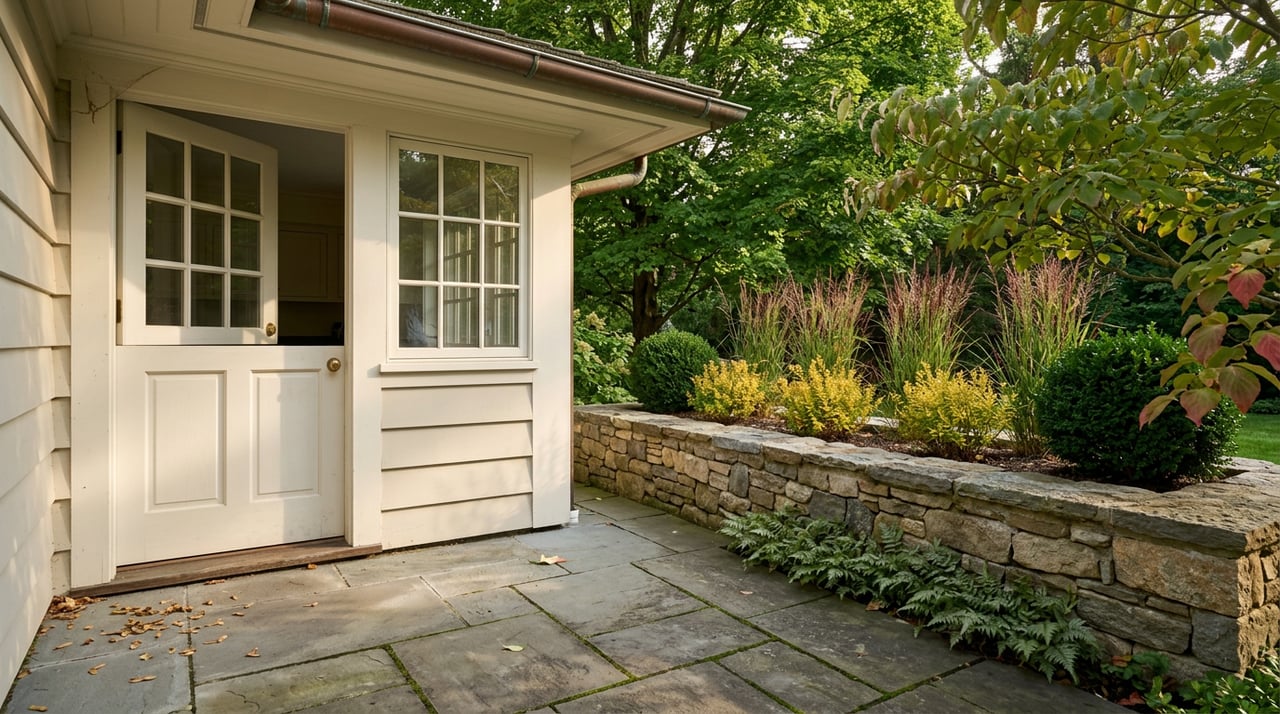
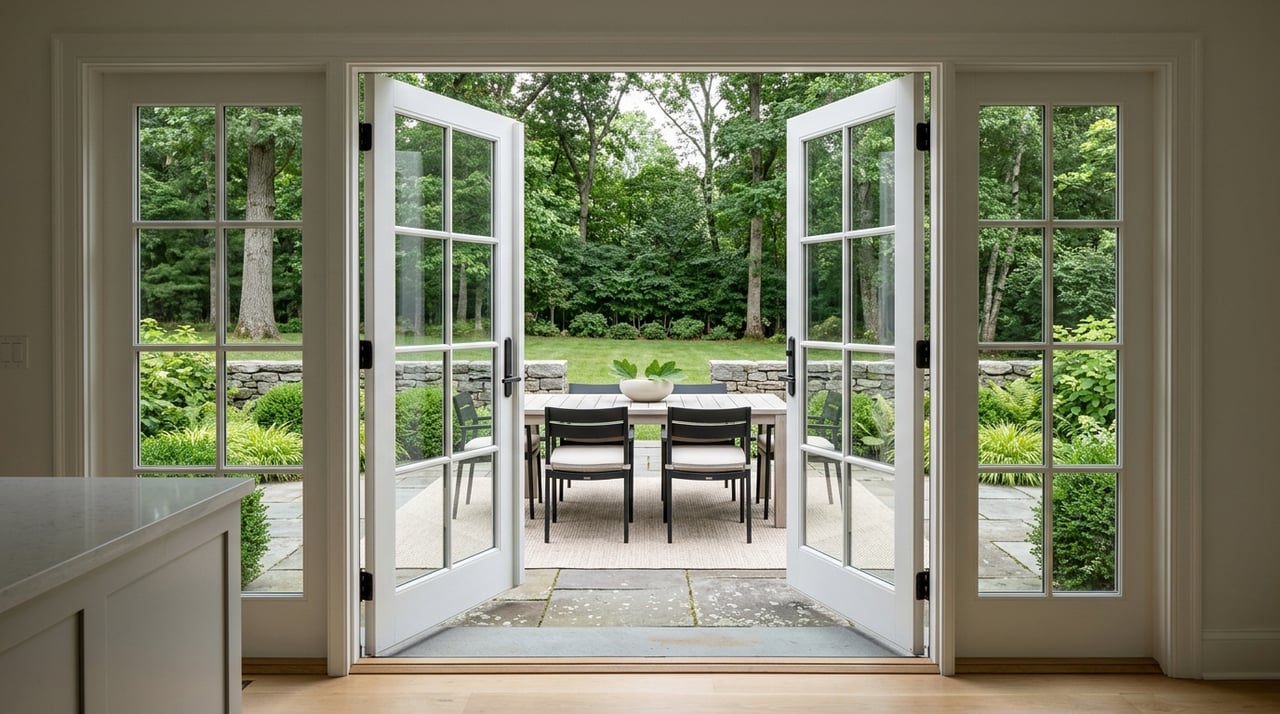
If you have a deck, patio, screened porch, pool area, or fire pit, stage it as usable living space. Even a simple seating arrangement can help buyers understand scale, flow, and function.
Show any extra structures clearly
If your property includes a detached studio, shed, barn, or other outbuilding, give it a purpose in the presentation. Buyers respond better when they can immediately understand how a space might be used.
That is especially true as flexible work and lifestyle needs continue to shape search behavior. Zillow’s 2025 prospective buyer report found that 51% of buyers said an extra room for a home office was very or extremely important, and 30% said a separate structure for a home office was important.
Prioritize the rooms buyers notice most
Not every room needs the same level of staging. If you want to focus your time and budget, start where the data is strongest.
According to NAR’s 2025 staging snapshot, the most commonly staged rooms are the living room, primary bedroom, and dining room. Those are the spaces where buyers often form their emotional connection to the home.
Stage the living room first
The living room often carries a lot of visual weight in listing photos. It should feel open, balanced, and easy to walk through.
A few smart moves can make a big difference:
- Remove extra furniture to open circulation paths
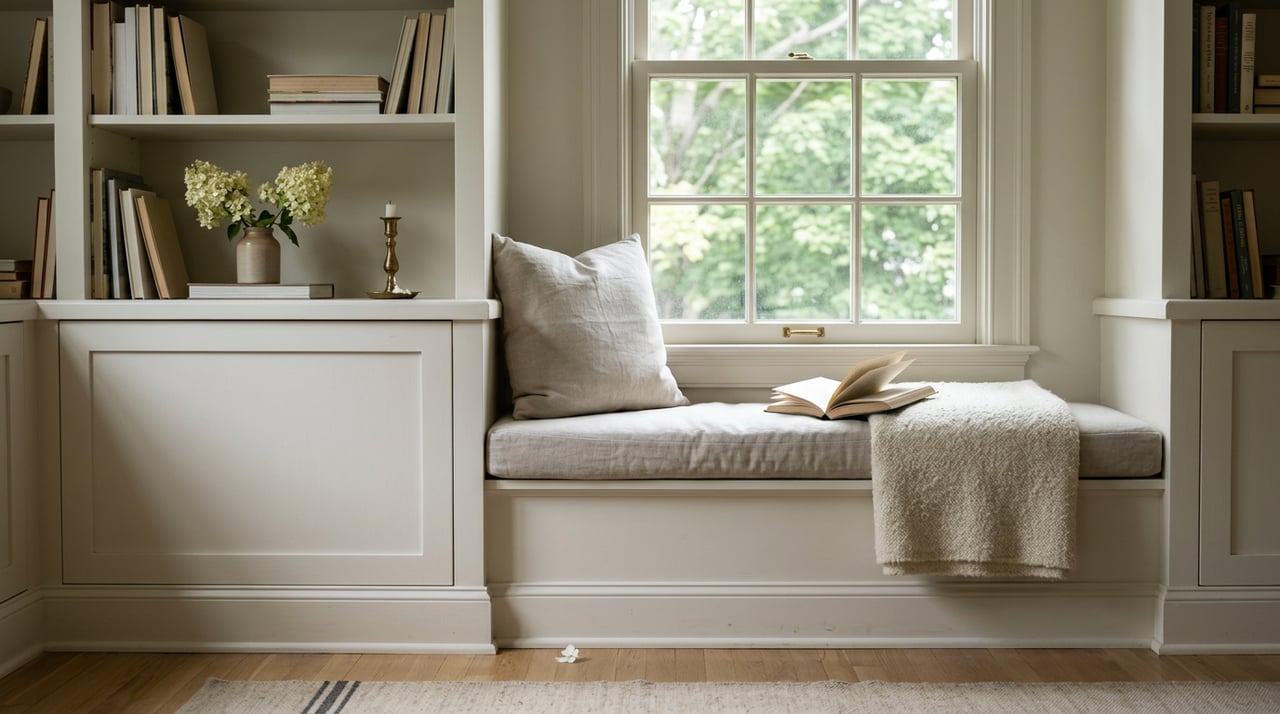
- Simplify bookshelves and built-ins
- Use light, neutral accessories sparingly
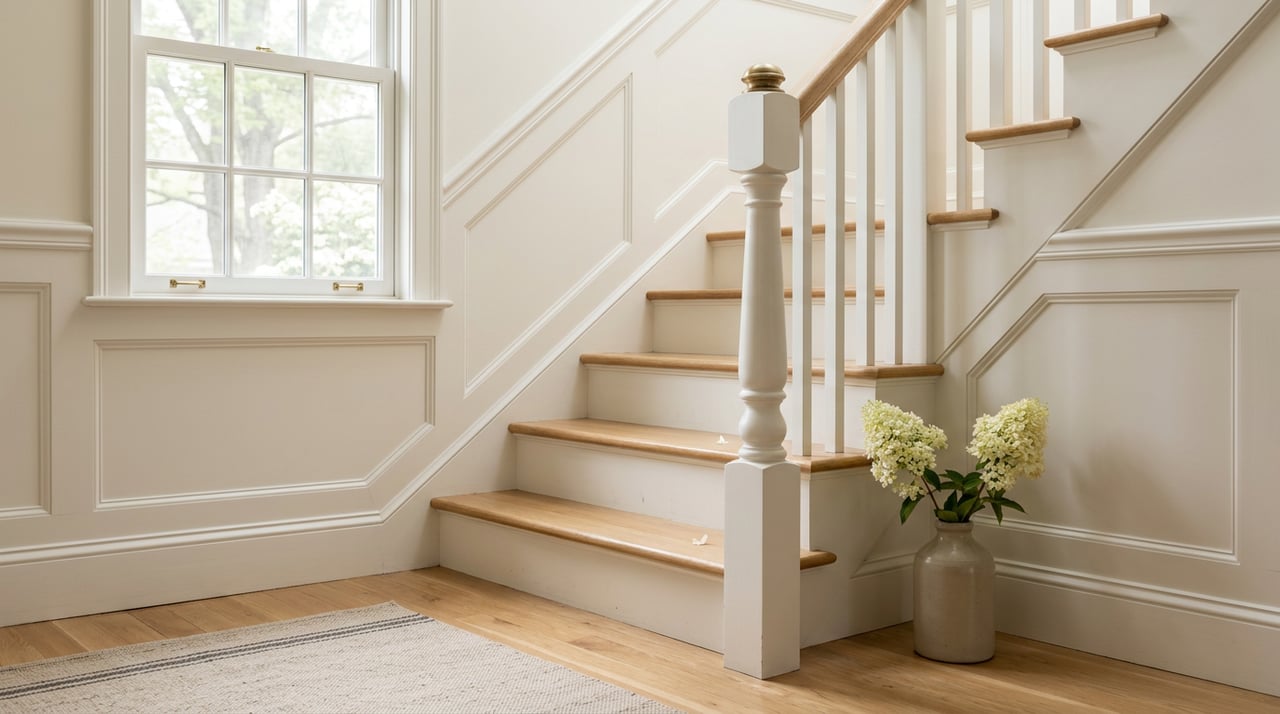
- Let in as much natural light as possible
- Arrange seating to highlight focal points like windows, fireplaces, or French doors
The goal is not to make the room feel empty. The goal is to make it easy for buyers to picture themselves there.
Calm the primary suite
The primary bedroom should feel restful and edited. Crisp bedding, clear nightstands, and minimal personal items usually work best.
If the room is large, avoid breaking it up with too many small pieces. A simpler layout can make the space feel more elevated and easier to read in photos.
Keep dining areas simple
Dining rooms should feel finished, but not formal to the point of distraction. A clean table, balanced lighting, and a clear path around chairs are usually enough.
If your dining area is part of an open floor plan, make sure it helps define the layout rather than adding visual clutter.
Make the kitchen and storage areas feel functional
Today’s buyers are looking closely at how a home works. Zillow’s 2024 report found that 69% of buyers said a floor plan that fit their preferences was very or extremely important, while 65% prioritized ample storage and 65% also prioritized off-street parking or a garage.
That makes kitchens, mudrooms, laundry areas, pantries, closets, and garages more important than many sellers realize.
Simplify the kitchen
Your kitchen should look clean, bright, and efficient. Clear most countertop items, polish appliances, and remove anything that makes the room feel busy.
Before photography, address obvious wear if possible. Small visual distractions can pull attention away from the layout and finishes.
Organize utility spaces
Mudrooms, laundry rooms, and pantry areas should communicate order. Matching baskets, tidy shelves, and limited visible items can help these spaces look more spacious.
Closets and garages matter too. Buyers do not expect perfection, but they do want to see that the home has storage that functions well.
Define flexible rooms with one clear purpose
One of the biggest staging mistakes is leaving a bonus room visually vague. If buyers cannot tell what a room is for, they may undervalue it.
In Weston, where many homes offer extra square footage, finished lower levels, or detached spaces, it helps to choose one purpose and stage around it.
Pick the most likely use
If a room could be an office, guest room, playroom, or hobby space, select the use that feels most natural and easiest to understand. Then support that choice with furniture, lighting, and simple accessories.
This matters online as much as in person. The 2025 NAR Home Buyers and Sellers Generational Trends Report found that buyers who used the internet rated photos, detailed property information, floor plans, virtual tours, and videos among the most useful website features.
Match the staging to the marketing
Once a room has a clear purpose, the listing description and photo captions should reinforce it. That consistency helps buyers understand the home quickly and remember it later.
This is particularly useful for offices, bonus rooms, lower-level spaces, and detached buildings.
Prepare for a digital-first audience
Most buyers will meet your home online before they ever visit. In Weston, that matters even more because digital access is so common. The U.S. Census QuickFacts page for Weston reports broadband subscriptions in 96.8% of households.
Your online presentation should do more than show that the house is attractive. It should explain how the property lives.
Use strong listing media
Buyer behavior is clear on this point. NAR’s 2025 generational trends report found that among buyers using the internet, 83% said photos were most useful, 79% valued detailed property information, 57% valued floor plans, 41% valued virtual tours, and 29% valued videos.
For a Weston listing, that means professional photography is essential. A floor plan, virtual tour, or video walkthrough can also help buyers understand room flow, scale, and the relationship between the house and the land.
Plan the photo sequence carefully
A smart listing photo order can help tell a fuller story. In many Weston homes, that story starts with the exterior and setting before moving inside.
A strong sequence often includes:
- Best exterior image showing the home in context
- Entry or foyer
- Main living spaces
- Kitchen and dining area
- Primary suite
- Office or flex room
- Outdoor living areas
- Driveway approach or arrival view
- Lot features or additional structures
This approach helps buyers understand not just the house, but also the experience of the property.
Common staging mistakes to avoid
Even beautiful homes can miss the mark if the presentation feels unclear or unfinished. The good news is that most staging issues are fixable with a thoughtful plan.
Watch for these common problems:
- Overfurnished rooms that look smaller in photos
- Dark interiors with closed shades or inconsistent lighting
- Personal items that make it harder for buyers to visualize the home
- Undefined bonus rooms with no obvious function
- Outdoor areas left empty or underprepared
- Messy landscape edges, cluttered driveways, or visible maintenance items
In Weston, buyers are often responding to both the home and its surroundings. A polished presentation should make both feel intentional.
Why hands-on prep can make a difference
Getting a home market-ready takes time, coordination, and a good eye. That is why many sellers benefit from a concierge-style approach that covers staging guidance, vendor coordination, property prep, and a marketing plan built around how buyers actually shop.
For Weston sellers, that often means balancing polished presentation with the natural character that makes the town appealing in the first place. When that balance is right, your home can feel elevated, inviting, and easier for today’s buyers to say yes to.
If you are thinking about selling and want a practical plan for preparing your home, Marlee Book offers hands-on guidance, staging support, vendor coordination, and professional marketing tailored to Lower Fairfield County homes.
FAQs
How should Weston sellers stage outdoor space before listing?
- Weston sellers should treat decks, patios, porches, pool areas, and other outdoor spaces as true living areas by cleaning surfaces, arranging furniture, and making the layout feel purposeful and easy to understand.
Which rooms matter most when staging a Weston home?
- The living room, primary bedroom, and dining room are top priorities because the National Association of Realtors reports these are the rooms most commonly staged and among the most important for helping buyers visualize the home.
Why is online presentation so important for Weston real estate listings?
- Online presentation matters because buyers rely heavily on photos, detailed property information, floor plans, and virtual tours to decide which homes to visit, and Weston also has very high household broadband use.
How should sellers present flexible rooms in a Weston house?
- Sellers should give each flexible room one clear purpose, such as a home office, guest room, or hobby room, so buyers can quickly understand how the space works.
What exterior details should Weston homeowners improve before photography?
- Weston homeowners should focus on clearing debris, cleaning walkways and hardscape, refreshing mulch, trimming to reveal light and views, and hiding hoses, bins, and other visual clutter before listing photos are taken.