If you are thinking about buying a single-family home in Norwalk, you are not alone. Demand is strong, prices can move fast, and one block can feel very different from the next. The good news is that with the right plan, you can shop smarter, budget more accurately, and focus on the parts of Norwalk that truly fit your lifestyle. Let’s dive in.
Why Norwalk draws single-family buyers
Norwalk offers a wide mix of housing and daily-life convenience, which helps explain why so many buyers keep it on their shortlist. City housing data show that 53% of the city’s housing units are single-family homes, including both detached and attached homes.
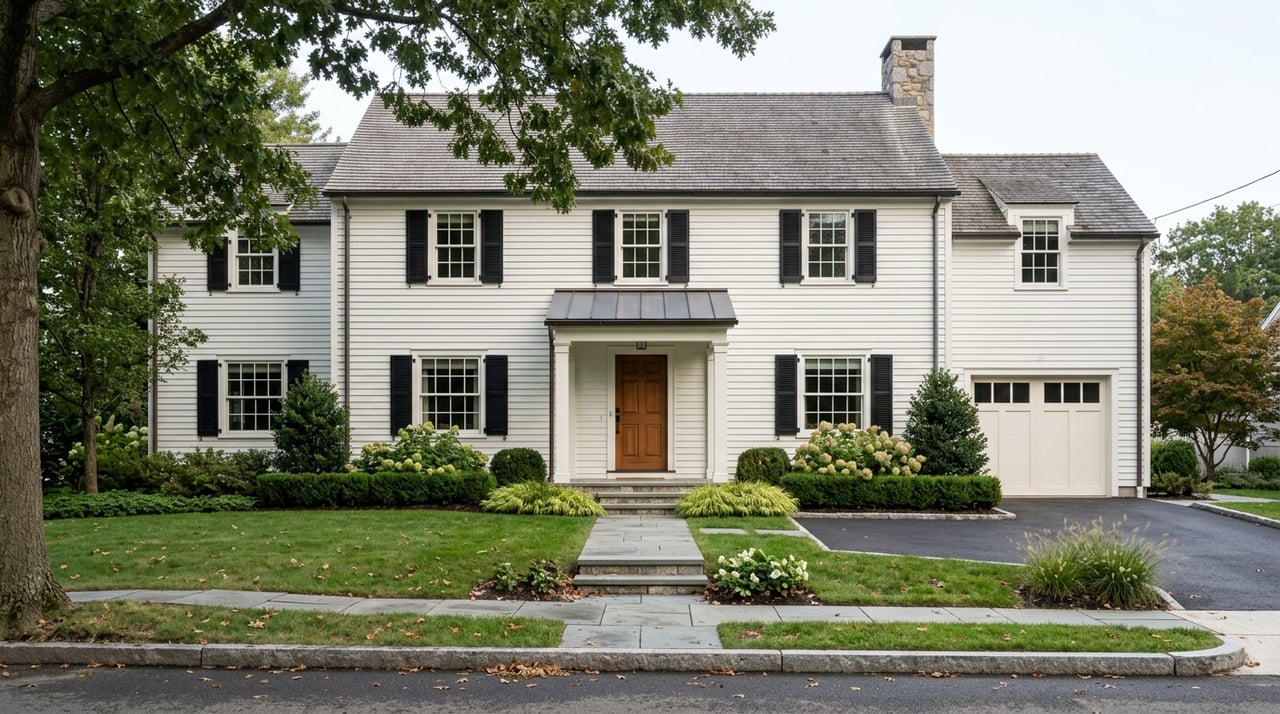
That matters because you are not searching in a place where single-family homes are rare. You have real variety to work with, whether you want a more suburban feel, easier access to transit, or a home closer to dining and entertainment. The city’s own budget describes Norwalk as offering choices that range from suburban-style homes to more urban living.
What the market looks like now
If Norwalk feels competitive, the numbers support that. Zillow’s home value index was $670,503 as of May 31, 2026, while Redfin reported a median sale price of $717,820 for the three months ending May 2026. Realtor.com also reported a median listing price of $690,000 and a 102% sale-to-list ratio.
Those figures use different methods, but they point in the same direction. Buyers are competing for desirable homes, and many sellers are getting strong pricing. Redfin also reports that many homes receive multiple offers, average homes sell about 5% above list, and hot homes can sell about 12% above list.
What that means for your offer strategy
In a market like this, speed and preparation matter. You do not want to wait until you find the right house to figure out your financing, your comfort level on inspections, or your top budget.
A strong starting point is mortgage preapproval. The CFPB recommends asking at least three lenders for preapproval so you can compare loan types, rates, and fees. It also notes that preapproval requests made within a short window usually do not have a major effect on your credit score.
You should also decide your limits before you start bidding. In a competitive Norwalk market, that includes how far above asking you are willing to go and how much repair, appraisal, or timing risk you are comfortable taking on.
Budget beyond the purchase price
Your monthly payment is only part of the picture. The CFPB says your total monthly housing cost can include principal, interest, property taxes, homeowner’s insurance, possible flood insurance, and HOA fees, plus separate budgeting for maintenance, repairs, and utilities.
Closing costs matter too. The CFPB says buyers should generally expect closing costs of about 2% to 5% of the purchase price, not including the down payment. If you are trying to stay within a set cash budget, that number can affect what price range feels realistic.
If your down payment is smaller, there may still be options. The CFPB notes that some conventional loans can require as little as 3% down and FHA loans as little as 3.5% down, though smaller down payments often mean higher monthly costs and possible mortgage insurance.
Understand Norwalk property taxes
One of the biggest budgeting mistakes buyers make is focusing only on price and not on taxes. In Norwalk, where a home is located can affect its taxing district and the city services tied to that district, including sewer, water, and garbage pickup.
The FY2026 city budget shows an average mill rate of 23.897. It also explains that assessments are calculated at 70% of estimated market value at revaluation. Using that formula, a $700,000 home would imply roughly $11,710 per year in city property tax before district-specific differences or exemptions.
Tax bills can vary meaningfully by district. The city’s budget illustration shows average tax bills ranging from $7,092 in the 2nd District to $20,696 in the 6th District. That is a reminder to compare homes based on the full carrying cost, not just the sale price.
How location changes your budget
Norwalk is not one flat market. Price expectations can shift depending on where you search, and that can affect both your home type and your monthly budget.
Realtor.com neighborhood listing metrics show East Norwalk at $750,000, West Norwalk at $719,000, Brookside at $640,000, and South Norwalk at $607,450. At the zip code level, 06855 is listed at $875,000, while 06854 and 06850 are near $590,000 to $600,000.
These are listing metrics, not closed-sale prices, but they are still useful for planning. They show why two homes in the same city can create very different financial decisions.
Lot size can vary more than you think
If yard space is high on your list, do not assume every part of Norwalk offers the same lot pattern. The city’s residential zoning includes a wide range of minimum lot sizes, from 43,560 square feet in CD-1L to 12,500 in CD-1M, 6,250 in CD-1S, and 5,000 in CD-2.
In practical terms, that means your experience can change a lot from one area to another. Some homes may offer more land and separation, while others may sit on more compact lots with a different feel.
This is why zoning matters as much as neighborhood name. If outdoor space is important to you, verify the parcel’s zoning district early instead of assuming the lot will match your expectations.
Norwalk has many older homes
Older housing is a major part of the Norwalk single-family market. City data show that about 79% of owner-occupied units were built before 1980.
That does not mean you should avoid older homes. It does mean you should budget carefully for inspections, maintenance, and updates that may involve systems, windows, insulation, or lead-related remediation.
This is especially important if you plan to renovate after closing. Norwalk’s Planning and Zoning Department has separate permit forms for single-family or two-family residential work, as well as forms related to flood hazard management overlay sites.
Why inspections matter here
In a competitive market, some buyers feel pressure to waive protections. In Norwalk, where older homes are common, it is wise to think carefully before reducing your inspection options.
A thorough inspection can help you understand the age and condition of major systems and spot issues that could affect your post-closing budget. Even if a home looks move-in ready, the long-term cost picture may be very different from the first showing.
If you are planning to add space or make major changes, inspections become even more valuable. They can give you a clearer starting point before you take on renovation costs.
Flood-zone checks should happen early
If you are considering a waterfront or low-lying property, confirm flood-zone status as early as possible. The CFPB notes that flood insurance may be required in FEMA Special Flood Hazard Areas.
That cost can affect your monthly payment in a meaningful way. Norwalk’s Planning and Zoning forms also include a Flood Hazard Management Overlay permit process, which is worth reviewing if you expect to alter the property after closing.
Early verification helps you avoid surprises. It also gives you a more accurate picture of ownership costs before you commit.
Transit still adds real value
For many buyers, Norwalk stands out because it combines single-family living with practical commuting options. The city budget describes Norwalk as about a one-hour automobile or train ride from Manhattan and notes that the city has four rail stations.
The MTA New Haven Line includes South Norwalk, East Norwalk, and Rowayton among its Connecticut stops. Norwalk Transit District also operates ten fixed bus routes, the regional Coastal Link route, and Wheels2U on-demand service, with transfers centered at South Norwalk Station, East Norwalk Station, and the Burnell Boulevard hub.
If you are moving from a condo or city rental, this mix can make the transition easier. Especially near station areas, you may be able to balance suburban space with a more manageable car-light routine.
A smart way to compare homes
When you tour single-family homes in Norwalk, try comparing each option through four lenses instead of just asking which one you like best. This can help you make a clearer, more confident decision.
Consider these points for every home:
- Price and taxes: What are the monthly ownership costs, not just the sale price?
- Lot and layout: Does the yard size and house footprint fit how you actually want to live?
- Condition and age: What updates or reserves should you expect in the next few years?
- Commute and access: How important are rail, bus, and day-to-day convenience to your routine?
That approach is especially useful in Norwalk because buyers are often trading among budget, yard size, commute convenience, and housing style rather than choosing between simple good-or-bad options.
Buying with confidence in Norwalk
Buying a single-family home in Norwalk is less about finding a perfect universal answer and more about finding the right fit for your priorities. The city offers real variety, but that variety comes with important tradeoffs around price, taxes, lot size, home age, and commute patterns.
When you understand those tradeoffs early, you can move faster and make stronger decisions when the right house appears. If you want a local partner who can help you evaluate Norwalk with clear guidance and personal attention, connect with Marlee Book.
FAQs
What is the single-family home market like in Norwalk, CT?
- Norwalk’s single-family market is competitive, with recent data showing strong prices, a 102% sale-to-list ratio, and many homes receiving multiple offers.
How much are property taxes on a single-family home in Norwalk, CT?
- Using the city’s FY2026 average mill rate and 70% assessment rule, a $700,000 home would imply about $11,710 per year in city property tax before district-specific differences or exemptions.
Do lot sizes vary across single-family homes in Norwalk, CT?
- Yes. Norwalk zoning includes minimum lot sizes ranging from 43,560 square feet in some districts down to 5,000 square feet in others, so yard size can vary a lot.
Are many single-family homes in Norwalk, CT older homes?
- Yes. City data show that about 79% of owner-occupied units were built before 1980, which makes inspections, maintenance planning, and repair reserves especially important.
Is Norwalk, CT a good option for commuters buying a single-family home?
- Norwalk offers notable commuter access, with four rail stations noted by the city, New Haven Line service at several local stops, and a local transit network that includes bus routes and on-demand service.