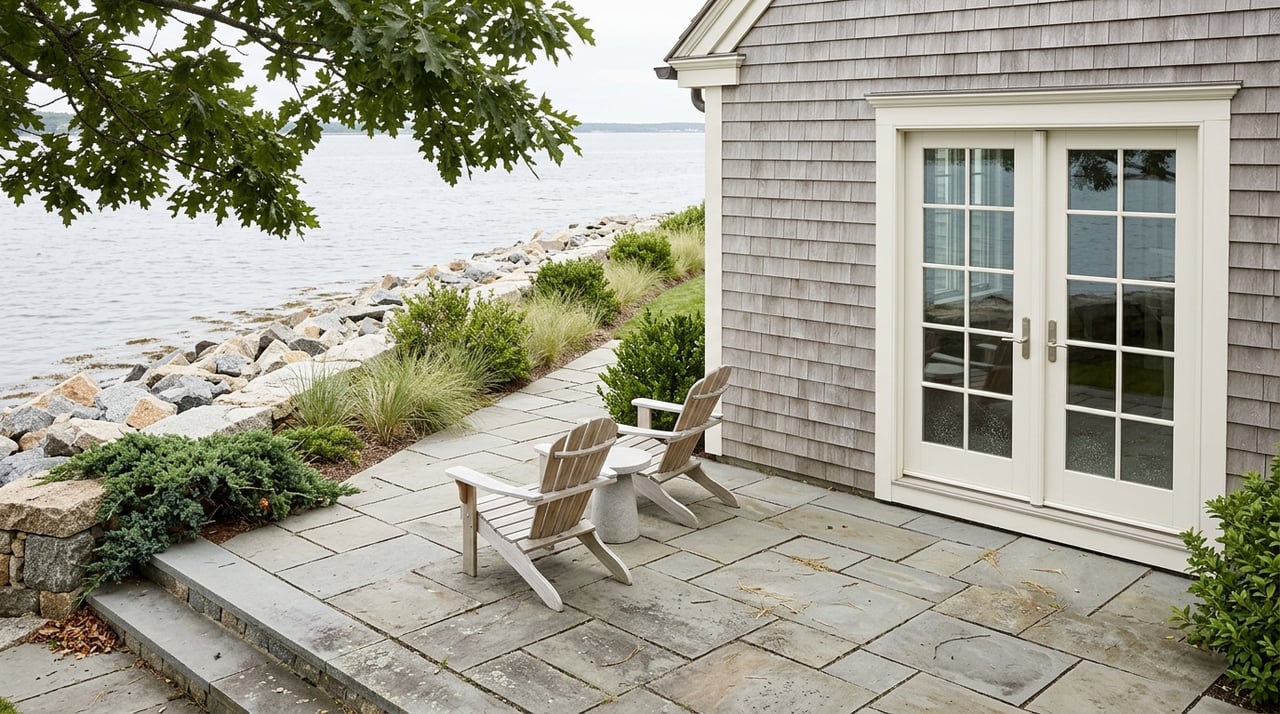
If you picture waterfront living as one long strip of shoreline, Norwalk may surprise you. Here, life by the water shows up in different ways, from urban harbor walks and marina views to village streets, beaches, and seasonal boating traditions. If you are exploring a move to Norwalk or trying to narrow down which coastal area fits your routine, this guide will help you understand the neighborhoods, parks, and everyday rhythms that shape life on the water. Let’s dive in.
Norwalk waterfront living at a glance
Norwalk’s waterfront is spread across a network of places tied together by Norwalk Harbor, the Norwalk River, Long Island Sound, beaches, and village-style centers. City and tourism sources describe Norwalk Harbor as a major hub for recreational boating, commercial shell fishing, and other water-dependent activity in western Long Island Sound.
That scale matters in daily life. Norwalk has 15 marinas, 13 private clubs, more than 1,800 berthing spaces, more than 500 mooring locations, and more than 800 boats launched regularly. In practical terms, waterfront living here is not just about views. It is also about access, movement, and a strong connection to the harbor.
For most buyers, three waterfront-oriented areas stand out first: South Norwalk, East Norwalk, and Rowayton. Each offers a different pace and setting, which is why it helps to think less about one “best” area and more about the lifestyle that fits you best.
South Norwalk waterfront lifestyle
South Norwalk, often called SoNo, offers the most urban waterfront experience in Norwalk. Official neighborhood materials describe it as a historic boat harbor that has grown into a dining, retail, entertainment, business, and residential destination.
If you want a setting where you can mix harbor scenery with a more active, walkable routine, SoNo often stands out. The city’s transit-oriented development plan also frames the district as a mixed-use area centered on the rail station, which reinforces its connected, on-the-go feel.
What daily life feels like in SoNo
SoNo tends to appeal to people who like variety close at hand. A typical day might include a walk near the water, coffee or dinner in the district, and easy access to local events and downtown activity.
The waterfront here feels integrated into everyday movement rather than set apart. Parks and public spaces like Oyster Shell Park and Heritage Park and Trail connect the shoreline with the broader downtown area, giving you places to walk, pause, and enjoy harbor views without needing a full beach day.
Home style and setting in South Norwalk
From a housing and neighborhood character standpoint, SoNo reads as the most mixed-use of the three featured areas. Official planning documents describe residential and commercial uses clustered around downtown and the rail station.
That creates a very different atmosphere from a quieter village or low-rise shoreline neighborhood. If you are looking for a more urban pattern with waterfront energy built into the street life, SoNo is often the clearest match.
East Norwalk waterfront lifestyle
East Norwalk offers a shoreline setting with a more residential feel. Official descriptions call it one of the earliest settlements in Norwalk and note its residential neighborhoods and beaches.
Compared with SoNo, East Norwalk generally feels lower-rise and more rooted in neighborhood streets. City design guidance points to a maritime identity shaped by historic structures, traditional materials, walkable streets, and small mixed-use clusters.
What daily life feels like in East Norwalk
In East Norwalk, waterfront living often means weaving the harbor and beach into a quieter daily routine. You may find yourself heading to the marina, enjoying a walk along the esplanade, or planning around boating and beach access during the warmer months.
Veteran’s Memorial Park and Marina is a major part of that lifestyle. The 35-acre space includes a marina, boat launch site, visitor docks with full power, a boating center, and a walk esplanade overlooking Norwalk Harbor.
Home style and setting in East Norwalk
East Norwalk’s official design guidance emphasizes historic character, traditional New England materials like wood clapboards, brick, and stone, and a neighborhood-scale development pattern. That helps explain why the area often feels more residential and maritime in tone.
If you are drawn to shoreline living that feels connected to local history and day-to-day neighborhood life, East Norwalk may deserve a closer look. It can offer water access and coastal identity without the more urban pace of SoNo.
Rowayton waterfront lifestyle
Rowayton is the most village-like of Norwalk’s waterfront areas. Official descriptions present it as a coastal village known for boating, beaches, local shops, neighborhood restaurants, parks, and an active calendar of community events.
This is the part of Norwalk that many people picture when they think of classic coastal New England character. Historic materials also note several historic districts and many historic homes, including areas such as Oysterman’s Row and the Rowayton Depot area.
What daily life feels like in Rowayton
Rowayton’s waterfront routine often feels more community-centered and seasonal. You might spend part of the day near the water, then head into the village for a meal or local event.
Pinkney Park plays a visible role in that rhythm. It is the waterfront setting for the annual Shakespeare on the Sound production, which reflects how public spaces in Rowayton are tied not just to views and recreation, but also to community traditions.
Home style and setting in Rowayton
Official and historical sources describe Rowayton with a strong village and historic identity. Home styles include historic homes, saltboxes, shingled houses, and former summer estates.
If your idea of waterfront living includes a smaller-scale village atmosphere, established homes, and a strong sense of place, Rowayton often offers that combination. It feels distinct from both SoNo’s urban energy and East Norwalk’s more residential maritime pattern.
Parks and beaches that shape daily life
A big part of living near the water in Norwalk is how often you can actually use it. In Norwalk, that often comes down to public beaches, marina access, waterfront parks, and seasonal systems that manage demand.
For many residents, Calf Pasture Beach and Shady Beach are central to everyday coastal living. The city’s beach complex includes baseball, volleyball, a skate park, playground, splash pad, sailing school, bocce, basketball, and three-quarters of a mile of scenic coastline.
That range of amenities makes the beach feel like more than a summer backdrop. It becomes part of how people walk, play, gather, and spend time outdoors throughout the season.
Know the seasonal access details
Norwalk’s waterfront amenities are active, but they are also managed. Parking fees at Calf Pasture and Shady Beach are in effect from May 15 through October 15, and resident parking requires annual verification after April 1.
For non-residents, parking at Calf Pasture is first come, first served, with only 130 spots available daily. That is a useful reminder that convenience can depend on timing, season, and residency status.
Paddle, launch, and dock access
If you enjoy being on the water, it helps to know that some access points operate through seasonal systems. The city runs a kayak rack lottery with 100 rack spaces at Calf Pasture Beach and Shady Beach from April 1 to November 1.
Veteran’s Memorial Park and Marina is also seasonal, with an official opening in mid-May. The city manages an annual empty-slip lottery for seasonal dock space there, so boating access is a meaningful part of local life, but not always something you can treat casually at the last minute.
Waterfront parks beyond the beach
Norwalk’s shoreline experience is not limited to sandy beach access. Some of the most useful public spaces are the ones that connect the harbor and river to the rest of the city.
Oyster Shell Park offers views of Norwalk Harbor and both waterfronts east and west of the Norwalk River. Heritage Park and Trail sits near the estuary of the Norwalk River and connects with the Maritime Aquarium area, the SoNo Historic District, and the Marina District.
These places matter if your version of waterfront living is more about walking, scenery, and daily outdoor access than swimming or boating. They add flexibility to the lifestyle and make the waterfront feel woven into the city.
Events, trails, and the everyday rhythm
Norwalk’s waterfront is not just visual. It shapes the calendar. Seasonal events are a major part of how residents experience the harbor, parks, and shoreline.
Annual highlights include the Norwalk Boat Show at Norwalk Cove Marina and the Norwalk Oyster Festival at Veteran’s Memorial Park, both held in September. The SoNo Saturday Market runs on Washington Street on the last Saturday of the month from May through August, and Rowayton adds its own seasonal tradition with Shakespeare on the Sound.
For more routine outdoor time, the Norwalk River Valley Trail adds another layer to daily life. Visit Norwalk promotes it as a 30-mile trail that will connect Calf Pasture Beach in Norwalk to Rogers Park in Danbury, with nearly 13 miles already complete.
That means biking and walking are not just weekend activities. Depending on where you live, they can become part of your regular routine, especially if you want a coastal lifestyle that includes movement and public outdoor space.
Dining with a waterfront backdrop
One of the easiest ways to feel Norwalk’s coastal identity is through its dining scene. Official tourism materials show a clear pattern: many memorable spots are tied to harbor views, marina settings, or waterfront decks.
Examples include Harbor Lights in South Norwalk, SoNo Seaport Seafood overlooking Historic Norwalk Harbor, Sunset Grille at Norwalk Cove Marina, and The Restaurant at Rowayton Seafood in Rowayton. Even if you are not on the water every day, these kinds of places can make the waterfront part of your weekly routine.
For buyers considering a move, this adds an important lifestyle layer. Waterfront living in Norwalk is not only about where your home sits on a map. It is also about how often the water shows up in your errands, dinners, walks, and weekends.
Which Norwalk waterfront area fits you?
The best waterfront fit depends on what you want your days to look like. Each of Norwalk’s key coastal neighborhoods supports a different kind of routine.
| Area | Best fit for | General feel |
|---|---|---|
| South Norwalk | Buyers who want walkability, mixed-use surroundings, and harbor energy | Urban, active, connected |
| East Norwalk | Buyers who want residential shoreline character and marina access | Maritime, neighborhood-focused, lower-rise |
| Rowayton | Buyers who want a village feel, historic character, and community traditions | Coastal village, historic, relaxed |
If you are relocating from a more urban setting, SoNo may feel like an easier transition. If you want a more residential waterfront environment, East Norwalk may offer a better balance. If you are drawn to classic village character and historic coastal charm, Rowayton may rise to the top.
Why local guidance matters in Norwalk
Norwalk waterfront living can look simple from the outside, but the details matter once you start narrowing your options. Beach parking rules, marina seasonality, neighborhood feel, and how each district connects to your daily routine can all shape whether a location truly works for you.
That is where local perspective becomes valuable. When you are comparing neighborhoods in a market like Norwalk, it helps to have someone who can translate the difference between a harbor-centered urban setting, a shoreline residential area, and a village-style waterfront lifestyle.
If you are thinking about buying or selling in Norwalk or elsewhere in Lower Fairfield County, Marlee Book brings local knowledge, concierge-level service, and clear guidance to help you move with confidence.
FAQs
What are the main waterfront neighborhoods in Norwalk, CT?
- The main waterfront-oriented neighborhoods highlighted by official tourism sources are South Norwalk, East Norwalk, and Rowayton.
What is daily life like near the water in Norwalk, CT?
- Daily life often includes walking, biking, beach time, boating, seasonal paddling, waterfront dining, and community events tied to the harbor, parks, and shoreline.
What beaches support waterfront living in Norwalk, CT?
- Calf Pasture Beach and Shady Beach are two of the clearest everyday beach amenities, with shoreline access plus recreation features like a splash pad, playground, sailing school, courts, and seasonal events.
What public marina access is available in Norwalk, CT?
- Veteran’s Memorial Park and Marina in East Norwalk includes a marina, boat launch, visitor docks with full power, a boating center, and a walk esplanade, with seasonal operations managed by the city.
What makes South Norwalk different from Rowayton in Norwalk, CT?
- South Norwalk offers a more urban, mixed-use waterfront setting centered around downtown and the rail station, while Rowayton is more village-like, historic, and community-oriented.
Is waterfront living in Norwalk, CT seasonal?
- Many parts of the lifestyle are available year-round, but some amenities such as beach parking, kayak racks, marina operations, and seasonal events follow specific annual schedules.